Coming soon

ARCIFAB Bid is available in 2027.

ARCIFAB Shop is live now →

ARCIFAB Bid — win the work

The work gets won before
anybody picks up a torch.

Job sourcing, estimate, proposal, BOM. One system, with your name on it.

Made for
Owner
Business development
Preconstruction

WHY

Winning work is still three tools and a typed proposal.

Today the lead sits in one person’s inbox. The number gets built in a spreadsheet somewhere else. The proposal gets typed a third time, by hand, by whoever is still in the office the afternoon it is due. Nothing carries forward, so everything gets re-keyed, and the version that goes out the door is the one nobody had time to check.

That costs you the same way on every bid: hours re-keying numbers you already had, a proposal that goes out with an error you signed, and a takeoff the floor does over from scratch after you win. The floor got software years ago. The estimator got a spreadsheet. Bid puts the lead, the estimate, the proposal and the BOM in one system so each of them gets built once.

Why Bid exists

BEFORE THE BUILD

Where the work actually sits right now.

Process piping and structures on an industrial plant

The lead lives in an inbox.

A general contractor sends an invitation to bid. It lands in one person’s email, or a folder that person named, or on a whiteboard by their desk. Nobody else knows the job exists until they mention it. When they are out for a week the clock on it runs anyway. In Bid, every job you are chasing is on one list the office can see, with what you know about it attached.
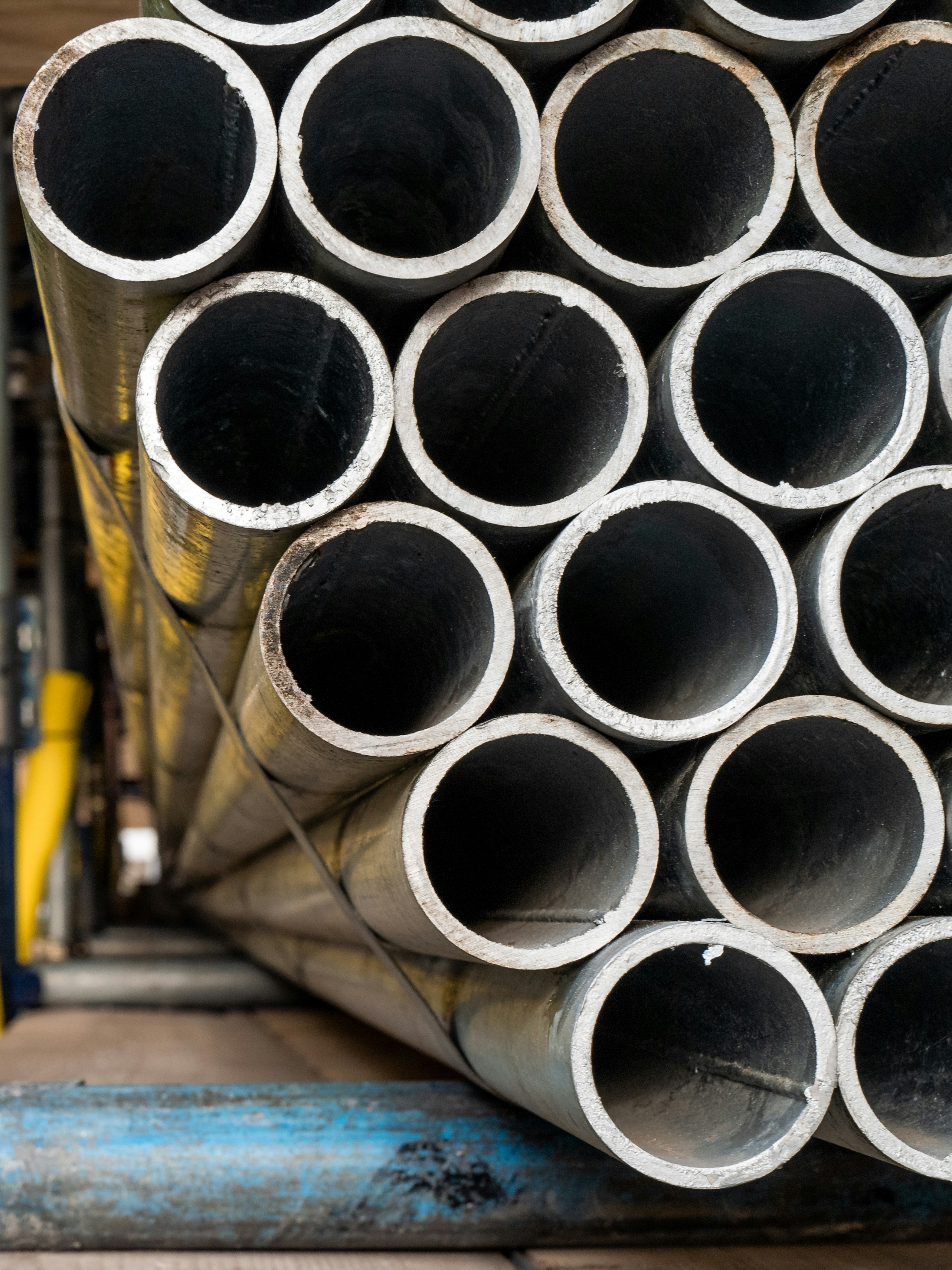
Stacked large-bore pipe ends in a yard

The number lives in a spreadsheet.

Quantities get counted in one place and priced in another. Somebody re-keys the takeoff into a sheet built years ago by a person who has since left. It works because one estimator remembers what every column does. That is a habit with a file name, and every bid you send depends on it. In Bid, your rates and your assemblies live in the system, so the estimate gets built the same way whoever is at the desk.
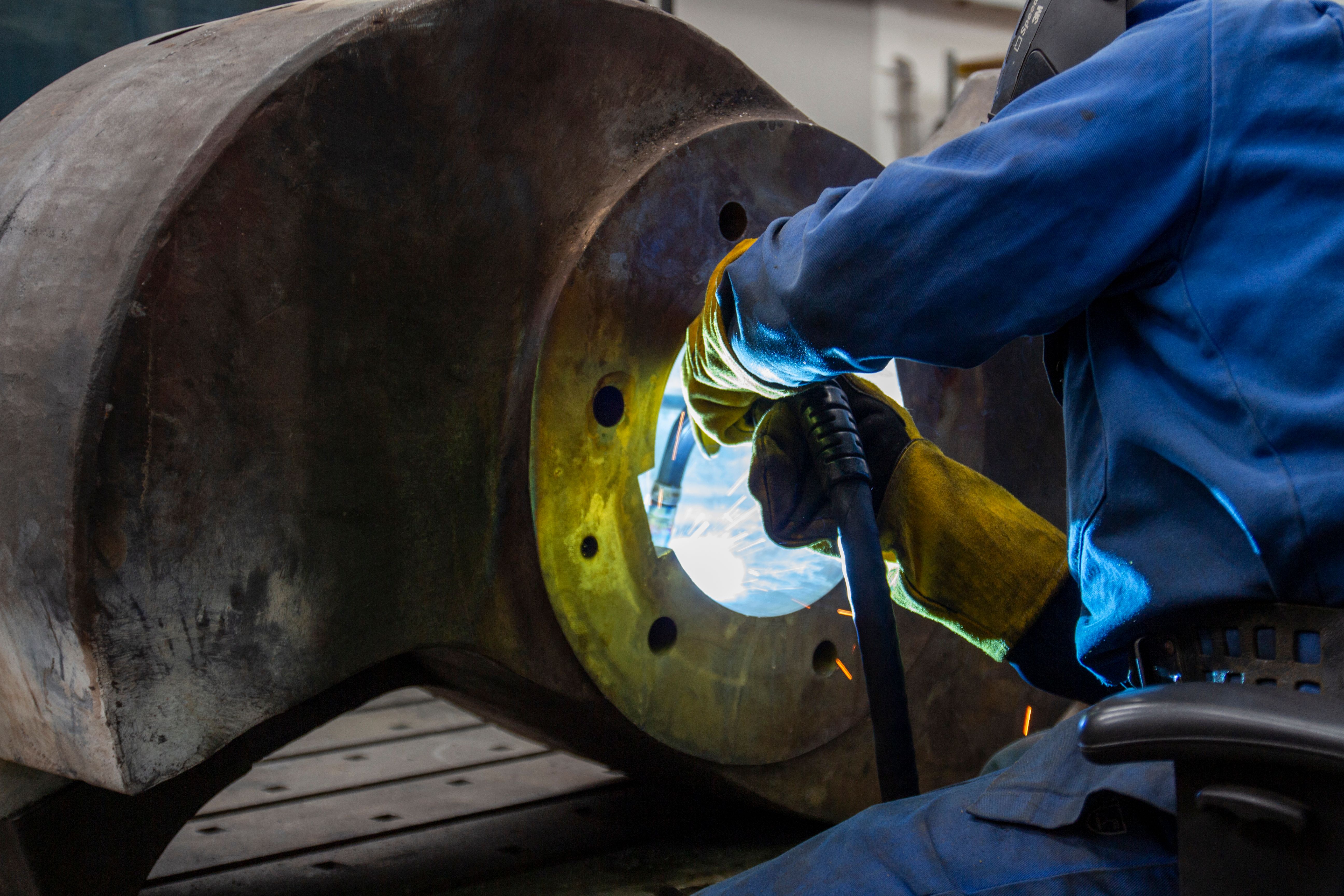
Welder working on a large-diameter pipe section

The proposal gets typed last.

Everything has been decided before the document exists. Then somebody rebuilds it by hand, usually the afternoon it is due. What leaves the building is the third format the same numbers have been in, and nobody goes back to check the first two against it. In Bid, the proposal comes off the estimate that produced it, in your format, under your name. There is no third copy to check.

WHAT

One system, front to back.

From the takeoff to the spool on the truck, each step hands off to the next. Nothing gets re-keyed.

Step one

Job sourcing

Every job you are chasing, in one list, with what you know about it attached, instead of scattered across inboxes and a whiteboard.

Step two

Estimate

Labor and material built on your rates and your assemblies, the way your estimator already prices, instead of a generic template.

Step three

Proposal

It comes off the estimate that produced it, in your format, under your name. Nobody retypes a number off another screen.

Step four

BOM

A real bill of material out the other end, so the floor builds from the count you priced. The estimate always implied one and never produced it.

WHAT IT COSTS TO LEAVE IT

The bid is where the money is decided. The re-keying between tools is where it leaks.

Three figures the industry already publishes. None of them are about your shop and none of them are a promise. The first is what a subscription costs you more every year. The other two are what the shop and the field are already losing to rework and idle hours. That is the reason the bid is worth keeping in one place instead of five.

Typical annual renewal increase on a subscription platform 10–15%

As published in ARCIFAB Insights, “End the Annual Hostage Negotiation for Your Own Data.”

Reduction in rework and waste when the whole process goes digital Up to 20%

McKinsey, cited in ARCIFAB Insights, “You Don’t Know What You’re Missing.”

Field labor cost estimated as waste or unproductive time, U.S. construction 11–15%

FMI, cited in ARCIFAB Insights, “You Don’t Know What You’re Missing.”

Bars are drawn on a common 0–25% scale. These are industry patterns, not your shop’s numbers, and nobody should pretend they are. They only mean something once you can see your own process well enough to compare. Figures as published in ARCIFAB Insights.

HOW

We already priced and won work.

We have done this job

We ran the shop and the business. We have priced jobs, sent proposals, and lived with the ones we got wrong. Bid comes out of that.

A dedicated system

Your own system, with your name on it. Your rates, your assemblies and your proposal format, instead of a shared platform you have to work around.

Evaluate, then stand it up

We look at how you already chase and price work first. The system gets set up after that.

Win jobs. Let us handle the technology.

Start with an evaluation of your operation.

Evaluate my operation

NOT THE PRODUCT YOU NEED?