Coming soon

ArciFab Bid is available starting Q4 2026.

ArciFab Shop is live now →

How Bid gets stood up

Evaluate the bid.
Then stand up the room.

We learn how you already chase and price work before a single line is configured.

WHO IS BUILDING IT

We already priced and won work.

We ran the shop and the business. We have sourced the job, built the number, sent the proposal, and lived with the ones that came back wrong. Bid is built out of that experience, not out of a requirements document written by somebody who has never had to sign a bid.

That is also why the evaluation comes first. We are not looking for a way to make your operation fit the software. We are looking at how you already win work, so the room can be built around it.

THE MOTION

Two moves, in that order.

Evaluate the operation

Where the leads actually come from. What the estimate is really built on. Who types the proposal, and what breaks when they are out. What happens to the pricing work after the job is won.

Stand up the room

Your dedicated instance, white-labeled as yours, configured with your rates, your assemblies, and your proposal format. Then your people are working in it, and we keep it running.

The firm motion is the same for every room.

Bid is one of three canned rooms. The six steps we run — evaluation through ongoing support — do not change depending on which one you need.

See how we work →

THE EVALUATION

What we look at first.

Refinery lit at dusk

Where the work you are chasing actually lives.

Invitations land in an inbox, a folder, a shared drive, sometimes a whiteboard. We want to see the real one, not the one anybody would describe on a call.
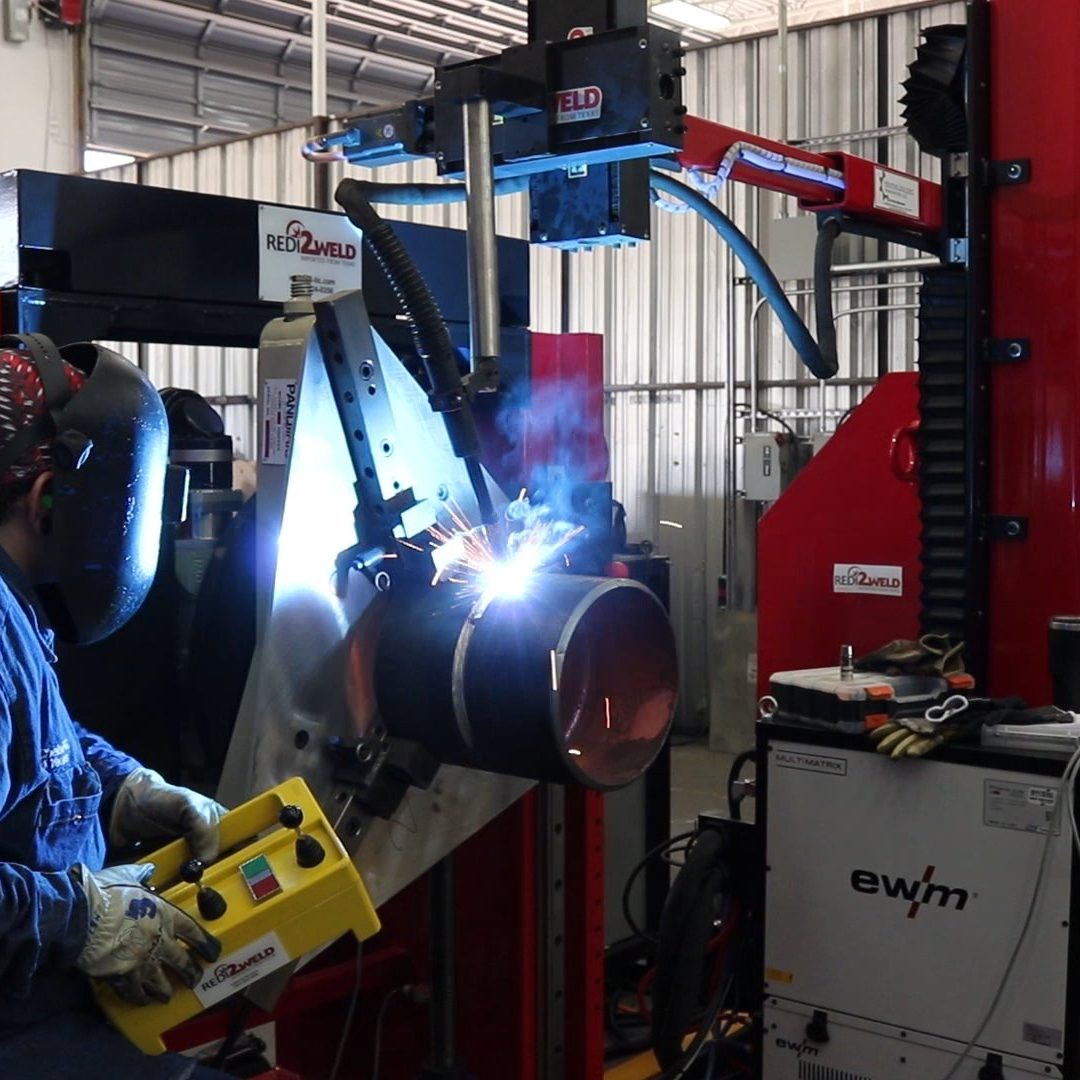
Robotic pipe welding cell in a fabrication shop

How a number gets built today.

Which tool holds the quantities, which one holds the rates, and who moves the figures between them. We ask to watch a real bid go together rather than hear the process described.
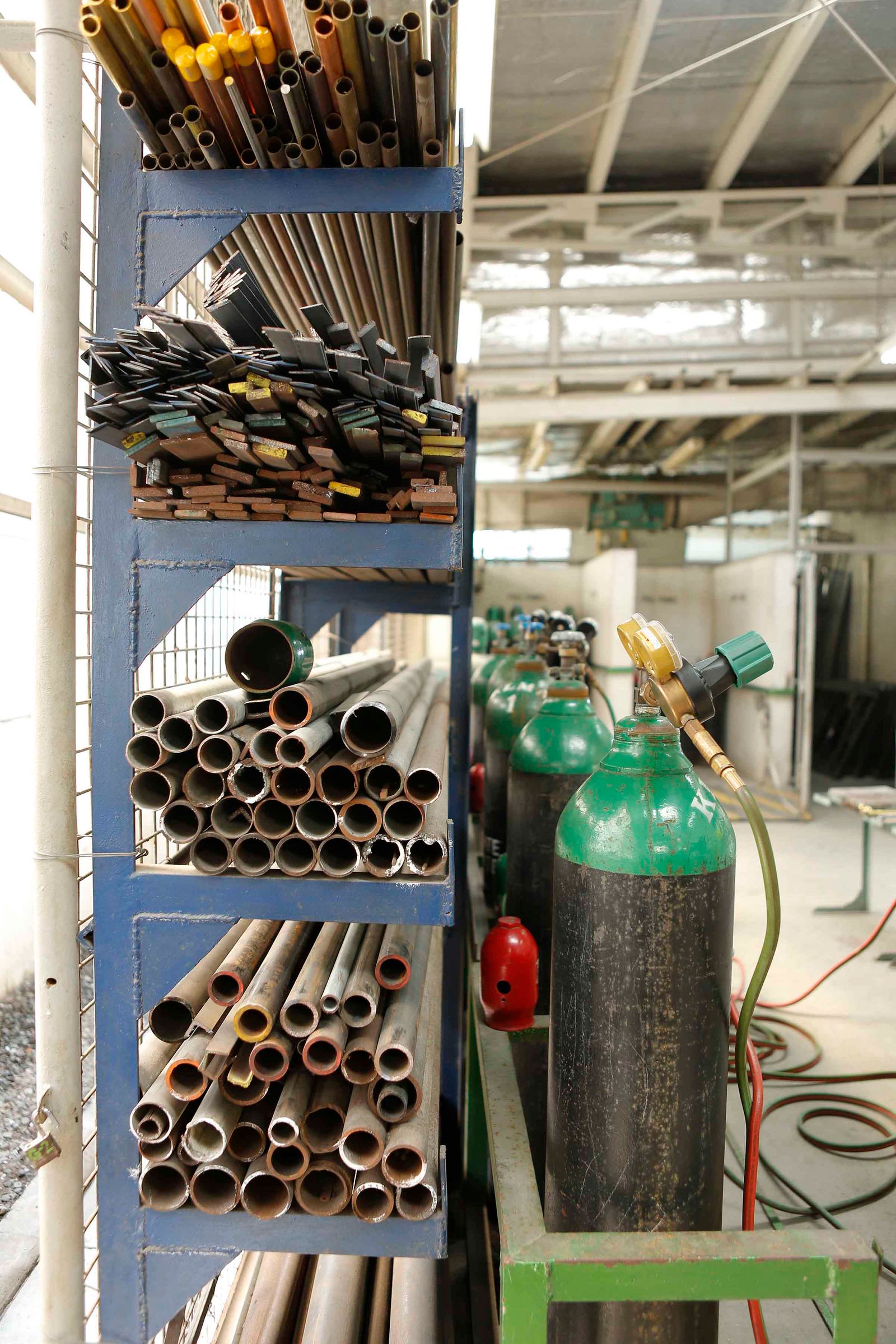
Racked pipe stock and gas bottles in a fabrication shop

Who types the proposal, and from what.

Usually one person, usually the afternoon it is due, usually from a document that is already the second or third version of the same numbers. That is the step that tells us how much of this is a system and how much is one person remembering.

PROVEN & REPEATABLE

Six steps, every time.

1

Initial Evaluation

We sit down and hear how the work actually moves — not a feature tour.

2

Deep Dive

We document how you already bid, price, and build, from the first job you chase to the last piece that ships.

3

Roadmap & Proposal

A plan for this operation. Not a generic implementation deck.

4

Implementation

Your instance. Your name. Your data in it.

5

Go-Live

We stand it up with the people who will use it.

6

Ongoing Support

Hosting and development. We keep the unit running. You keep the work.

THE PATH

Same order, every operation.

Evaluate

Deep dive

Roadmap

Stand it up

Go-live

M&D

The room comes after the bid. Not before it.

WHAT YOU END UP WITH

A dedicated instance, running your way.

Your own environment

Not a tenant in a shared platform. Your data stays yours and stays separate.

White-labeled as yours

Your people open your system. The proposal that goes out carries your name, not ours.

We keep it running

In-house IT you do not have to train. You keep chasing and winning the work.

DAY ONE

What we will not do on day one.

No feature tour before we have heard how you chase work.

No price before we understand the bid.

No forcing your assemblies into a shared template.

No second brand on the login screen.

It starts with the evaluation.

We look at how you already win work before anything gets configured.

Evaluate my operation

NOT THE ROOM YOU NEED?