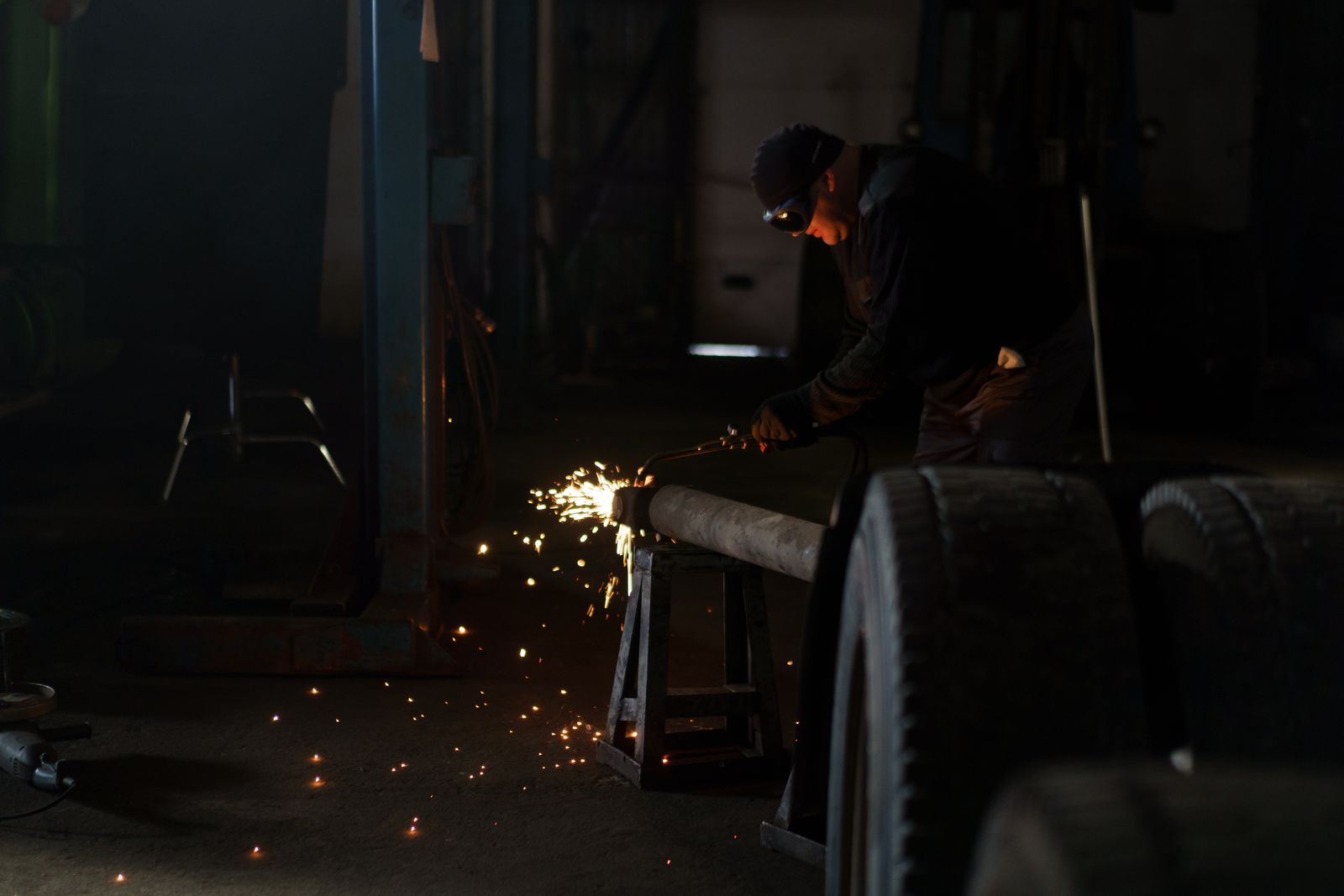
A welder at work in an industrial fabrication shop.

INSIGHT #2 · PLATFORM

End the annual hostage negotiation for your own data.

Every fabrication software renewal is a negotiation for continued access to your own operational history. There is another model.

Written by ArciFab · June 24, 2026

You've sat through this demo before. Different vendor, different logo on the slide deck, same conversation. You ask whether the platform can track handoffs the way your shop actually does it — QC before crafting, not after. The answer is always some version of: adapt your process to fit the platform.

That answer is the signal. You are not buying a tool that fits your operation. You are being asked to reorganize your operation around a tool.

The recurring fee is not the real issue. The recurring permission is.

Every renewal is a negotiation for your own data

Your weld logs, routing data, exception handling, production history, and years of shop knowledge are the operational memory that makes your team faster. In a rental model, that memory sits on someone else's land.

Every twelve months, you are back at the table asking permission to keep using what your own crews created. That is not partnership. It is dependency with a renewal date. Ask one question: after ten years of paying for this system, what do you own? If the answer is nothing, the model is rent.

Where the margin goes

The real cost of the rental model

The sticker price on a demo slide is never the full cost. The real cost is paid in concessions, repeat negotiations, and the slow force-fit of your actual process.

01

Annual increases that outpace margin growth — every year, whether the platform became more useful to your shop or not.

02

Expansion fees when you add a shop, module, division, or field users, at the exact moment your leverage is lowest.

03

Data portability friction, because your weld logs, production history, and QC records live inside someone else's platform.

04

The slow force-fit: your team stops asking what matches the work and starts asking what the software allows.

$0

Equity built after a decade of on-time rental payments

10–15%

Typical annual renewal increase

Forever

How long the negotiation runs, as a customer

Every renewal is a negotiation for continued access to your own operational history. That's a hostage negotiation, dressed up as a renewal call.

The finding


The ownership model

The land, the house, and the maintenance fee

ArciFab is the house. Your dedicated environment is built around your routing, QC gates, and handoff logic — then financed like the capital asset it is. Hosting is simply the land it sits on.

Keep it on our land, and you pay an annual maintenance and development fee for uptime, security, and platform updates — a service fee, not rent for the house.

Move it when needed, and a one-time transfer fee relocates your environment to your own infrastructure. You owned it before the move, and you own it after.

You negotiate hosting and moving costs if circumstances change. You never renegotiate whether the system belongs to you.

ARCIFAB HOSTING ONE-TIME TRANSFER YOUR INFRASTRUCTURE
Moving the environment can have a cost. Owning it was never up for negotiation.

Why they can't follow

The rental platforms are built to keep renting

This is not a criticism of product teams. It is structural math. Their business model cannot easily produce your ownership model.

i

One codebase, thousands of tenants. Shared infrastructure across every customer is what makes their pricing and scale possible in the first place.

ii

Investors expect recurring rent. Growth targets rely on rent collected from as many tenants as possible, not on selling one customer an owned asset.

iii

The roadmap belongs to everyone but you. A company built to rent seats to thousands of tenants is not structured to hand any one of them a deed.


The only other option

Hire a programmer and hope

If you do not want to keep renting, the other familiar path is to hire a developer and build it yourself: no fixed delivery date, shifting requirements, and project risk that lives with one person.

That is not a plan. It is hope and a prayer, billed by the hour, with your production process as collateral. ArciFab delivers a dedicated, configured environment built around your actual operational logic — on a timeline you can put on a calendar.

A practical financing view

Finance equity instead of rent

Shops running mechanical, electrical, sheet metal, industrial, and energy work already understand capital investment. The obstacle was never that ownership was too sophisticated — it was that no one structurally offered you an asset to own. ArciFab is financed like the equipment, fleet, or expansion you already know how to evaluate.

The path to ownership

A working environment in 90 days

01

Map the floor

The routing, QC gates, handoff logic, and exceptions that make your shop unique.

02

Configure and finance

Structured around your actual workflow, financed as the capital asset it is.

03

Launch with your team

Training centers on the moments where better information changes the work.

04

Own it

A dedicated environment, on a known timeline, with a clear path to ownership.

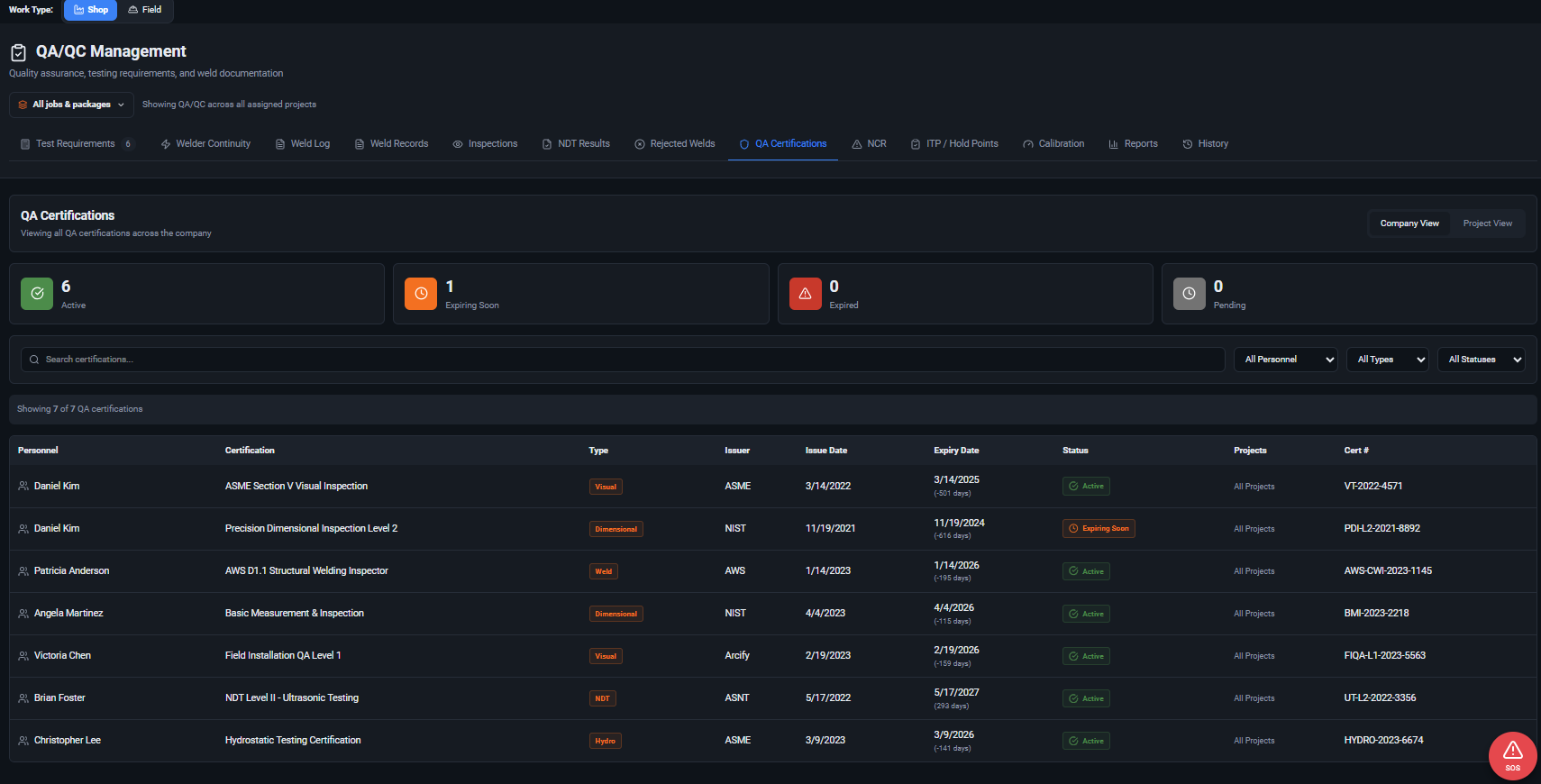
ArciFab QA/QC Management module — certifications, inspections, and weld documentation in one view.
QA/QC module — certifications, inspections, and documentation in one dedicated environment.

Built for the person who signs the renewal

The person accountable for the floor deserves a better answer

A shop leader does not need another abstract platform, or another negotiation for production history. They need clear information, real ownership, and a system that respects how work moves from drawing to delivery.

ArciFab was built by people who know the best process is not the one that looks clean in a sales demo. It is the one crews can run when the pressure is real.


The decision is simple

You built the process. Now own the system behind it.

Bring us your routing, QC gates, and shop-to-field handoff. We'll show you what owning, financing, and running a dedicated environment can look like.

(Financing link redirects to a third-party website)