Automated pipe cutting on the shop floor

INSIGHT #10 · PARTNERS · PART 1

Automated machinery is here to stay.

ISI puts the iron on the floor. PypeServer is the software that nests the work. ArciFab closes the loop. Maximum efficiency is a partnership, not a machine purchase.

Written by ArciFab · August 20, 2026

Automated machinery is not a future conversation anymore.

The shops still treating cutting cells, automated weld systems, saws, and orbital stations as “nice to have” are the same shops wondering why throughput never moves — and why a six-figure machine spends half the shift waiting on a cut list that came off a printer.

I built ArciFab after living that gap. Shop data in one place. The machine in another. The report that was supposed to tell me what actually got cut living in a third. The loop never closed.

This is Part 1 of The Partners a Mechanical Shop Needs. It starts where the steel first meets the torch.

A machine waiting on a printed cut sheet is not automation. It is an expensive paperweight.

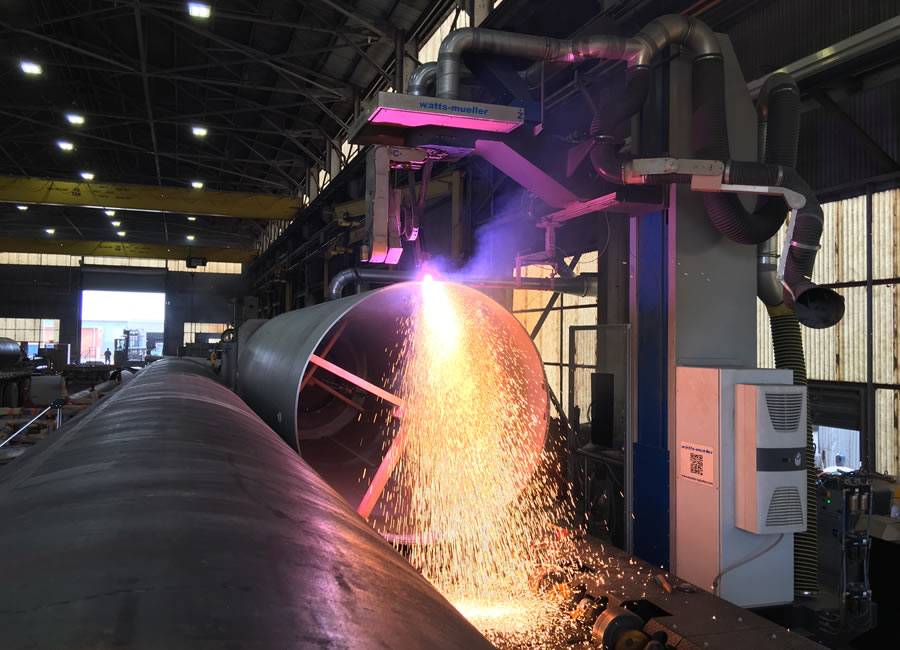
Automated cutting and control equipment on a fabrication floor
The machine is ready. The question is whether the nest feeding it is.

What the machine actually costs — and what it should return

Buy the iron for throughput. Make the ROI with nesting.

An automated cutting cell is not a $40,000 saw. Production pipe and vessel cutting systems typically land in the $150,000–$400,000+ range once you add handling, process, and duty cycle. Automated weld cells sit in the same neighborhood. Shops that run this equipment hard report payback in the 18–24 month window — if the machine is fed real work instead of waiting on a marker and a tape.

High-volume operations see 30–50% labor reduction on cut and prep and up to 50% faster output versus layout-and-cut by hand. ISI has long used a simple shop-floor rule of thumb on their cutting systems: what used to take ten hours can come off the machine in about one.

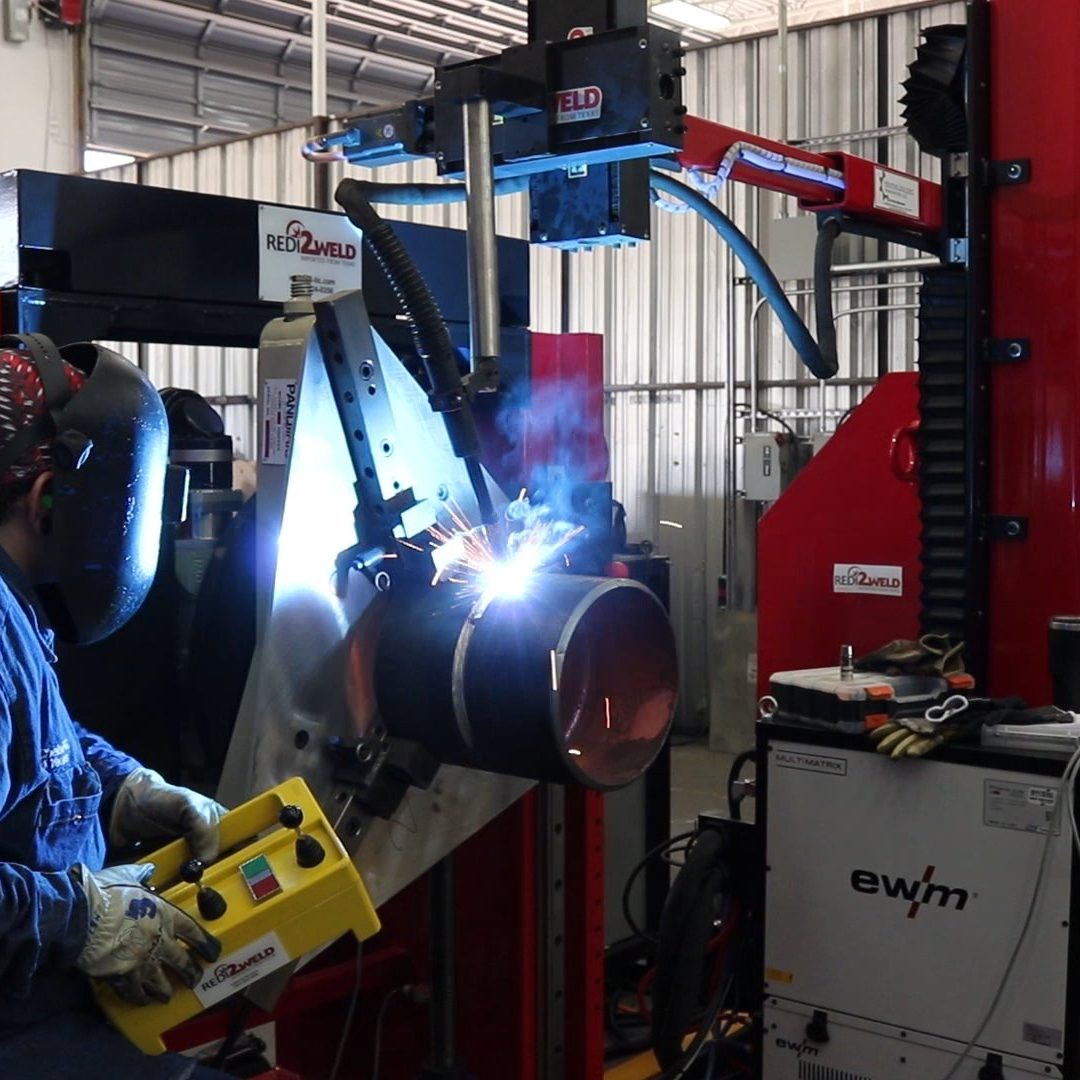
On the weld side, Redi2Weld is built around a number every shop manager understands: 200+ diameter inches per day from a single operator. That is the throughput you bought the cell for.

None of that math holds if the nest is garbage. Nesting is king. That is why PypeServer sits between shop data and the machine.

The machine math

$150k–$400k+

Typical installed cost of a production cutting or automated weld cell

18–24 mo

Common payback window when the machine is nested and kept in cut — not waiting on paper

30–50%

Labor reduction shops report once one operator can run the cell

What you bought What it should return
ISI cutting systems ~10:1 time on cut and prep vs manual layout. One operator instead of a layout crew + crane dance.
Redi2Weld cell 200+ diameter inches / day per operator. MIG and TIG on the same platform.
PypeServer Machine-control software. Typically 5%+ material vs manual nests. 98%+ utilization on linear stock when drops are reused.
Paper off the floor ~$100k / year in a mid-sized shop (~25 welders) once live cut sheets replace reprints and walking lists.

Ranges drawn from published cutting-cell pricing, ISI / Redi2Weld throughput claims, and PypeServer nesting case data. Individual shops will land higher or lower based on mix, shift coverage, and how much remnant they actually reuse.


The sequence that actually works

Shop data → PypeServer → the machine → reporting back into shop data

A mechanical shop does not get efficient by buying a machine and hoping the rest of the process catches up. Break any link and you are back to walking the floor with a printout.

1

ArciFab holds the managed cut sheet — uploaded from detailing or entered at the machine through the controls — and knows typical scrap sizes against what is already in the yard.

2

PypeServer is the software that nests that work onto the stock and remnant you actually have, then talks to the equipment.

3

ISI puts the iron on the floor that can execute it — and services it when it is down.

4

Back to ArciFab. Cut status, remnant, and yard material land in the same system that issued the work.


The iron

ISI — the machines that earn their floor space

If you run a mechanical shop, you already know the name. Industrial Solutions & Innovation (ISI) out of Alvin, Texas is who shops go to when the conversation turns from “we should automate” to “we need the machine that belongs in this shop.” They sell it. They service it. They train on it. If they put it on your floor, they stand behind it.

That is the point most software companies miss. A shop does not run one machine. It runs a cell.

Twenty years of putting that gear in Gulf Coast and national shops taught ISI something simple: the machine is only as good as the data feeding it, and only as useful as the service when it stops. “If we sell it, we service it” is not a slogan. It is why a shop manager will take their call at 6:40 a.m.

Every minute that cell waits on bad data is depreciation you already agreed to pay.

ISI Redi2Weld automated pipe welding system
ISI Redi2Weld — 200+ diameter inches a day only happens if the cell is fed live work.

The control layer

Nesting is king. PypeServer is the platform that keeps the machine honest.

Buying the machine and then programming it by hand is how shops quietly give the savings back.

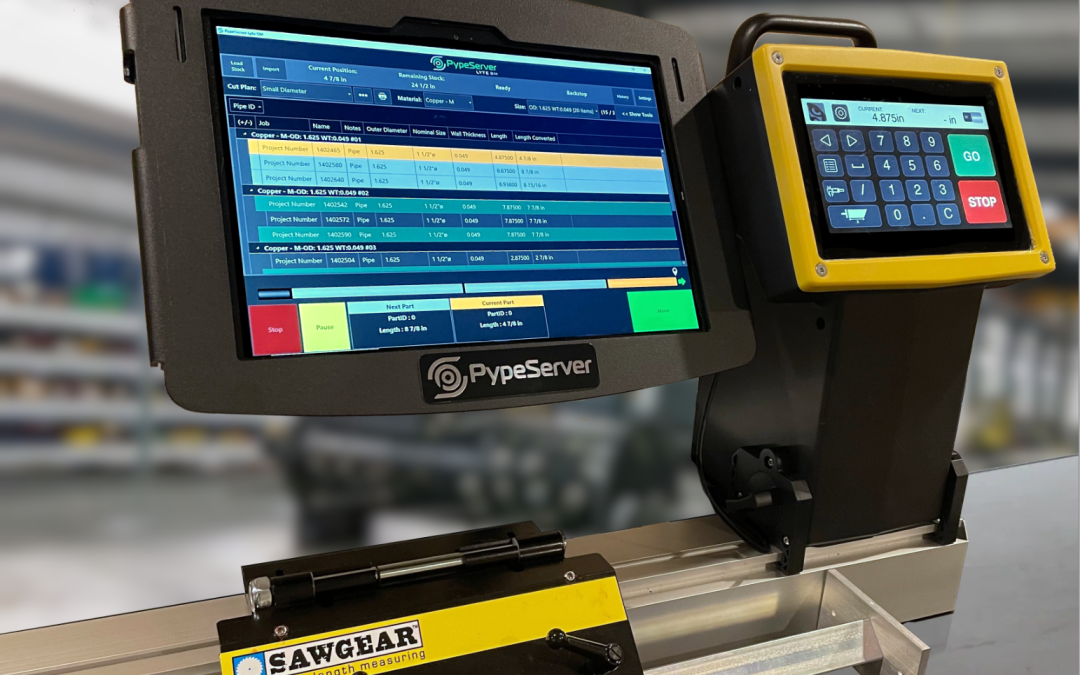
PypeServer is the machine-control platform between ArciFab and the iron. It takes the cut sheet data ArciFab is already managing — uploaded from the office or input at the machine through the controls — and turns it into nested work the equipment can run. Not one job at a time. Parts across jobs and spools, onto the stock and the drops sitting in your yard.

That is the difference between “we cut what was on the sheet” and “we used the material we already paid for.”

PypeServer’s published nesting data is blunt: computerized nests typically save customers at least 5% in material versus manual nesting. On linear stock, utilization of 98%+ is routine when remnant is reused instead of tossed. Shops that put nested lists on the station have reported an immediate 20% labor drop and 5% material drop before they even finished rolling the rest of the floor digital.

Five percent does not sound dramatic until you run pipe prices through it. A 20-foot stick of 2" Type L copper is about $400. Five percent of four sticks is four feet — $80 that used to walk to the scrap bin. Repeat that across carbon, stainless, plate, and every drop that never made it back onto a nest, and the machine is no longer the expensive item. The unused steel is.

ArciFab calculates typical scrap sizes against what is sitting in the yard. PypeServer uses that reality at the machine. Together they kill the oldest lie in a fab shop: that leftover material is “available” when nobody can find it, nest it, or trust it.
Why nesting pays the machine

5%+

Typical material saved vs manual nesting once cut lists are optimized across jobs

98%+

Stick utilization PypeServer routinely hits when drops are nested instead of scrapped

$100k

Paper off the floor in a mid-sized shop (~25 welders) — reprints, lost revisions, walking lists

PypeServer machine control software
PypeServer — nest the work, run the machine, send status back to the shop.

Shop data out. Nested work done. Shop data back. That is the reporting loop.

Why the partnership matters

Maximum efficiency is a loop, not a machine purchase.

ISI gives you the machine — and the service bench behind it. PypeServer gives that machine a nest it can actually run. ArciFab gives the shop the cut sheets, the yard logic, and the reporting that tells a manager what happened.

None of those pieces replace the others. That is the point of this series.

A $350,000 cell that cuts from a printed list will still make parts. It will not hit 18-month payback. The labor you saved on layout will come back as scrap, leftover drops, and a shop manager who still cannot answer “what did we cut today?”

Let us handle the loop.
You keep building the work.

What the shop manager actually gets

From a machine that waits to a cell that reports

01

Managed cut sheets feed the machine. Uploaded from detailing or entered at the controls — not re-keyed off a printout.

02

PypeServer nests against real inventory. The software uses stock and remnant ArciFab already knows is in the yard.

03

ISI equipment that can execute — and get serviced. Redi2Weld, cutting systems, saws, orbital, end prep, plasma, sheet metal.

04

Status back to the shop. Cut, remnant, and throughput land in the same system the manager already runs.


Talk to the partners

Machines and machine-control software — straight from the source.

Industrial Solutions & Innovation

Industrial Solutions & Innovation

Alvin, Texas · machines, service, training

4425 Mustang Road
Alvin, TX 77511

(281) 824-0356

Mon–Fri, 8am–5pm

Visit ISI →
PypeServer

PypeServer

Machine-control platform · nesting · shop-to-machine data

(425) 333-7736

info@pypeserver.com

Visit PypeServer →

Next in the series

Part 2: the digital arm.

Machine control is one partner. Next we cover the digital side — Arcify and Graitec — and how design data should reach the shop without another translation layer.