Shop systems and screens that never fully connect the data to the floor.

INSIGHT #8 · OPERATIONS

Your VDC files are still just files.

MAJs, DWGs, STEP files — every shop has them. Almost no system actually puts them to work. Until the platform is built the way a shop actually runs.

Written by ArciFab · August 5, 2026

I’ve managed shops long enough to know the real cost of “we have the data.” We do. The MAJ is there. The DWG is somewhere on the network. The STEP file got emailed three times and lives in three different folders. None of it is utilitarian. It sits. It gets opened, referenced, and closed. Then somebody still builds a spreadsheet or walks the floor with a printout because the system that was supposed to use that file never actually could.

That’s the quiet failure of almost every fabrication platform on the market. They accept the file. They store the file. They rarely make the file do the work.

Having the file is not the same as the file being useful.

Desk buried in drawings and files that never fully connect to production.
Every shop has the data. Almost none of the software treats it like production fuel.

The real problem with VDC data today

MAJs, DWGs, and STEP files were never built to live inside most software

Walk into any mid-to-large fab shop and you’ll find the same pattern. Design hands over a MAJ or a coordinated model. Detailing produces DWGs. Someone exports STEP files for the machines or for the next trade. Then the production system gets a PDF, a CSV, or a manually keyed job number. The rich data — the actual geometry, the spools, the connections, the quantities that already exist in the file — never becomes the operating system of the shop.

Current platforms treat these files as attachments or reference documents. You can upload them. You can link them. You can version them. What you almost never get is a system that reads the structure of a MAJ, understands the geometry in a STEP, or keeps the DWG tied to the live status of every piece on the floor. The file stays a file. The work still happens somewhere else.

That gap is expensive. It shows up as double entry, as “I thought the model had the latest revision,” as machines waiting on someone to translate data that already existed, and as managers spending nights reconciling what the software thinks is happening with what the shop is actually producing.

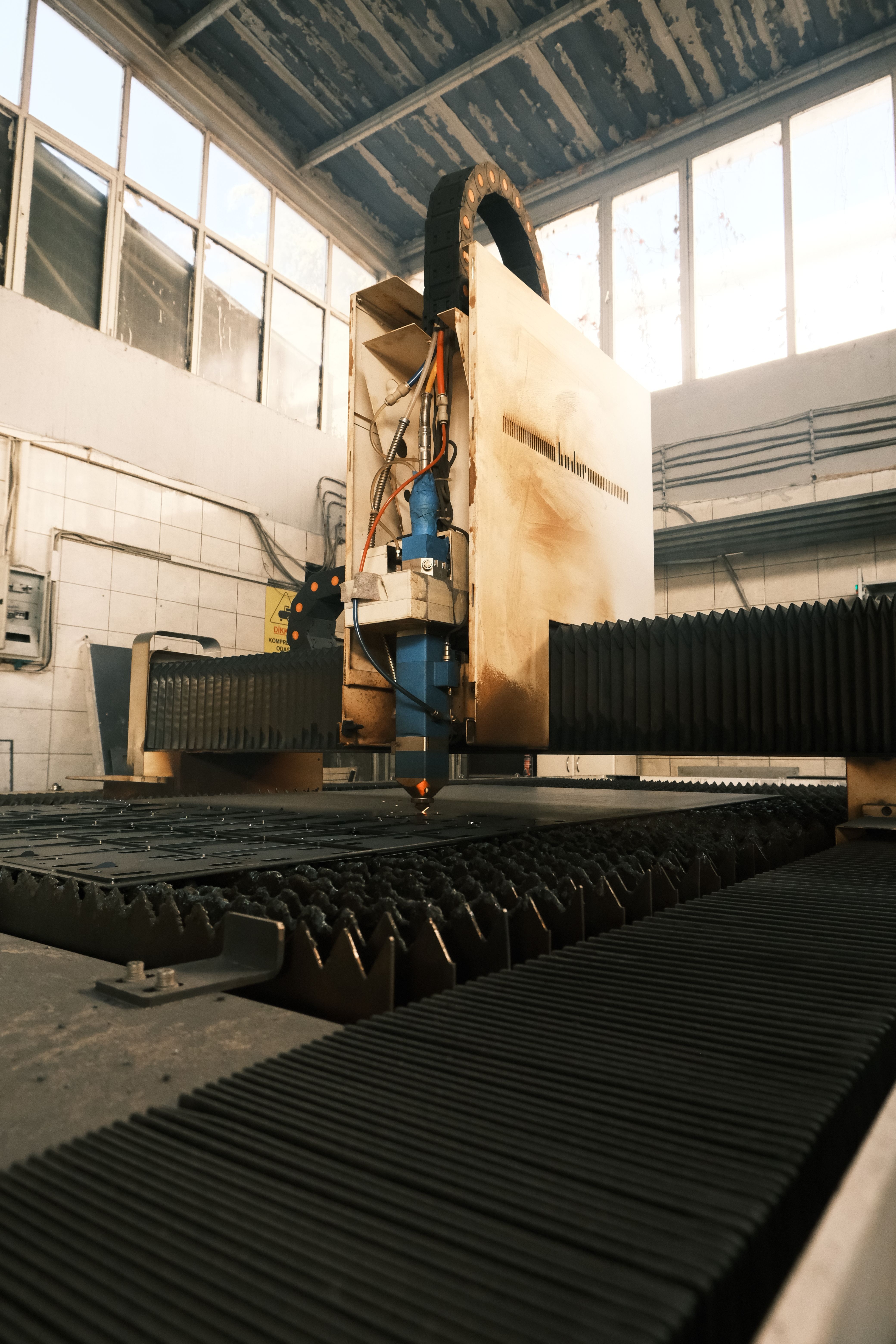
CNC machine waiting on data that should have come straight from the model.
The machine is ready. The data was ready days ago. The system in between never closed the loop.

Why the stack stays broken

Most software was never designed to treat VDC data as the source of truth

These systems were built around jobs, seats, and modules that get sold separately. The file formats that actually describe the work — MAJ for MagiCAD-heavy shops, native DWGs, STEP for fabrication and machine control — were treated as external. Integration became a feature request instead of a foundation. So every shop ends up with the same workaround culture: export, import, clean up, re-key, hope the revision matches.

That is not a training problem. It is an architecture problem. When the platform was never built to ingest and operate on the native files of the industry, the data can never become utilitarian. It remains archival.

We didn’t build another place to store your drawings. We built the place that runs on them.

What changes when the platform is modular by design

Our modular structure is why the data finally works

ArciFab was not designed as a fixed product with a long list of optional add-ons. It was designed as a modular operating system for the shop. That single decision is why everything else becomes straightforward.

Adding a new user is not a seat negotiation that touches five systems. Adding a new job does not require a separate setup in the ERP, the scheduling tool, and the QA module. Bringing in drawings and native data — MAJs, DWGs, STEP files — is not an afterthought export/import dance. It is part of how the platform is structured. Machine integration is not a custom project that takes six months and a consultant. It is another module that sits on the same foundation.

Because the architecture is modular, the data does not have to be forced into a rigid shape that was decided years ago by a product manager who never ran a shop. The files can stay rich. The geometry, the spools, the quantities, the connections — they become live inputs instead of static references. That is the difference between a system that stores VDC data and a system that runs on it.


The claim

This is the platform every shop should already be on.

I am not interested in selling another login. I am interested in a system that finally treats the files we already produce as the operating data of the business. MAJs that drive production status. DWGs that stay tied to the live job. STEP files that feed machines without a human translator in the middle. Users, jobs, drawings, and machine control that all live on the same modular foundation so nothing has to be rebuilt every time the shop grows.

That is what ArciFab is. Built by people who have run the floor, for the people who still do. Not another layer on the stack. The layer that makes most of the rest unnecessary.

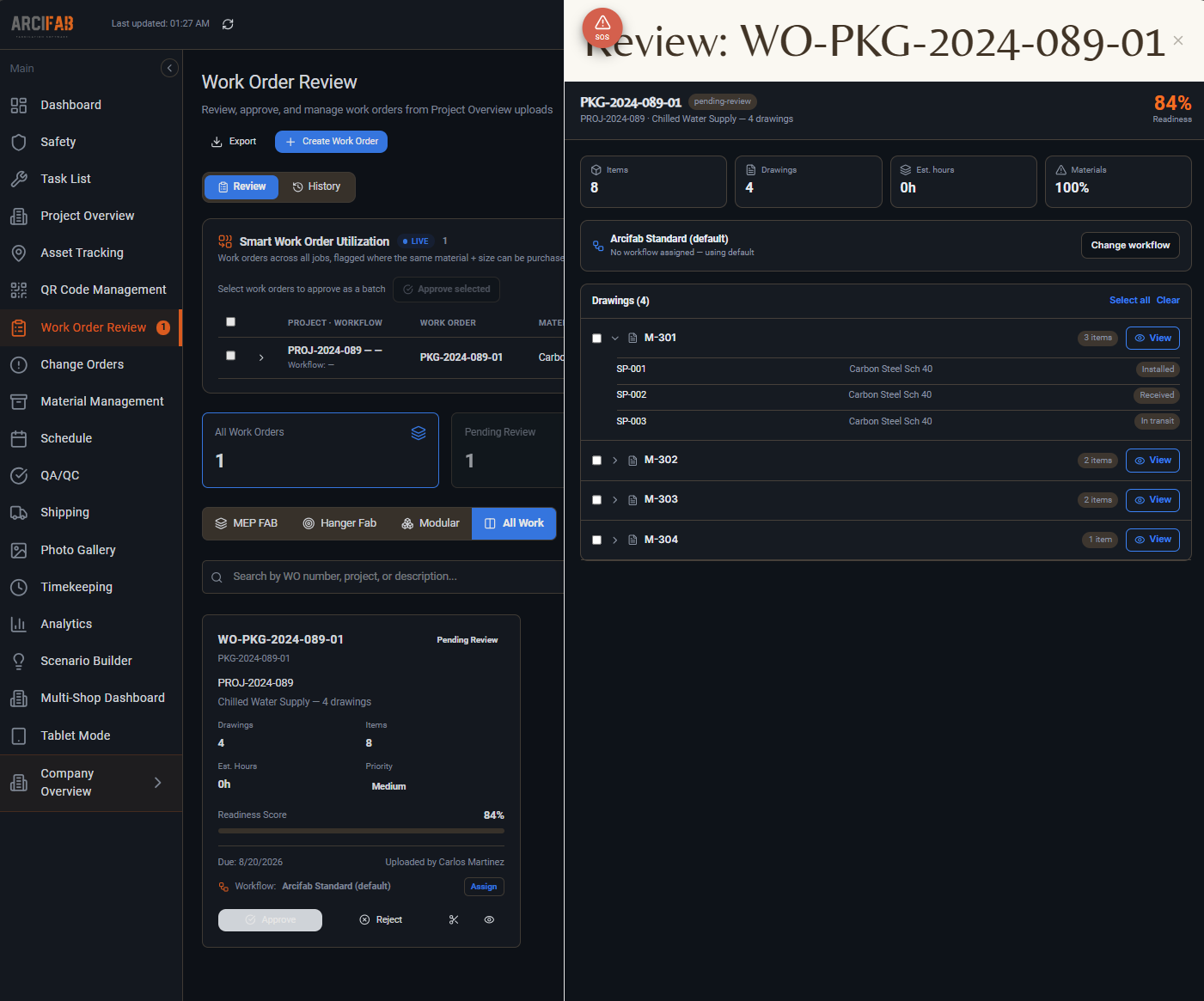
ArciFab interface showing native drawing data connected to live production and review.
Native files. Live status. Machine-ready data. One modular platform.

What the shop actually gains

From files that sit to data that runs the work

The difference is measurable in the hours that stop disappearing into translation and reconciliation. It shows up in fewer missed revisions, faster machine starts, and a floor that can finally trust the system because the system is finally reading the same files the shop already produces.

01

Native files become operating data. MAJs, DWGs, and STEP files stop being attachments and start driving status, quantities, and machine work.

02

Modular growth without rework. New users, new jobs, new drawing packages, and new machine connections sit on the same foundation instead of creating new islands.

03

Less translation, less risk. When the platform can actually use the files you already have, the midnight spreadsheet and the “which revision is live” conversation start to disappear.


The next step is simple

Show us the files your shop already produces.

Bring the MAJs, the DWGs, the STEP files, and the current process that sits between them and the floor. We’ll show you what it looks like when those files finally run the work.

(Financing link redirects to a third-party website)