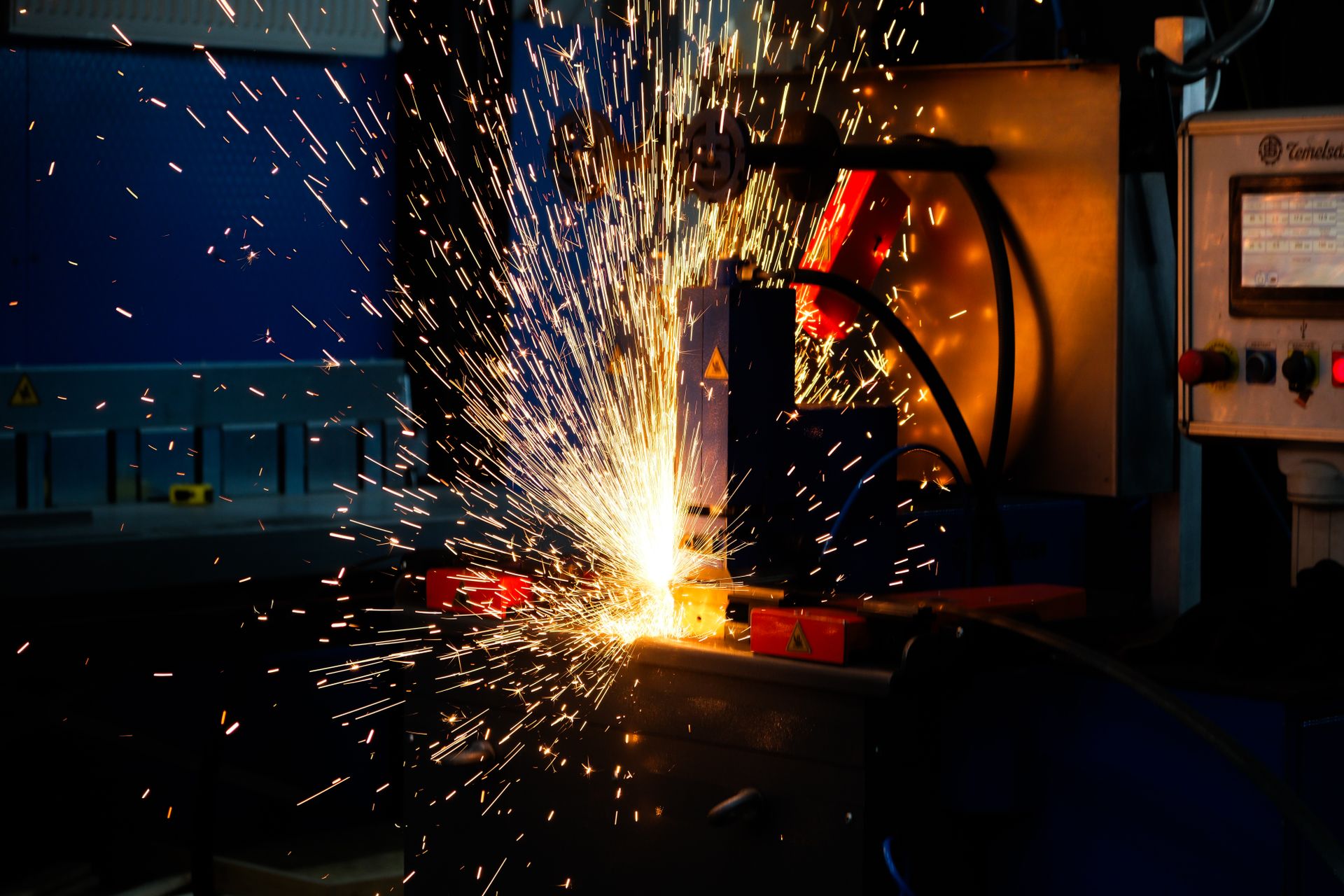
Welding sparks in an industrial fabrication shop.

INSIGHT #3 · TRADE-SPECIFIC

Pipe tracking that actually fits the work.

Spools, heat numbers, hold points, and the truck that leaves half-empty. Here's what changes when the system follows the floor.

Written by ArciFab · July 1, 2026

The truck left at 5:40. Half loaded. Not because the driver was slow — the packages that were supposed to be staged weren't where the load sheet said they'd be, and nobody had time to hunt them down before the truck had to roll. So it rolled light. Somebody in the field spent Tuesday morning waiting on pipe that was still on a rack back at the shop.

If you've run a pipe shop, you already know the story. The question isn't whether this happens. It's whether your system can stop it.
The truck doesn't fail. The information does — hours before anyone loading it ever sees the problem.

Why generic systems miss pipe

Pipe is a sequence. Most software is a status field.

Fit-up before weld. Weld before NDE. NDE before hydro. Hydro before ship. That isn't preference — it's the process that keeps a failed joint from becoming a field problem. Heat numbers have to survive from mill cert to cut sheet to weld log to package. Travelers have to stay with the work. Packages only leave when they're actually complete.

Most platforms track those as disconnected status fields on a job number. On the floor, they're one motion. When the system can't hold that motion, shops move the real process into whiteboards, paper travelers, and somebody's head. That works until it doesn't — and when it breaks, it breaks on a truck that's already left.

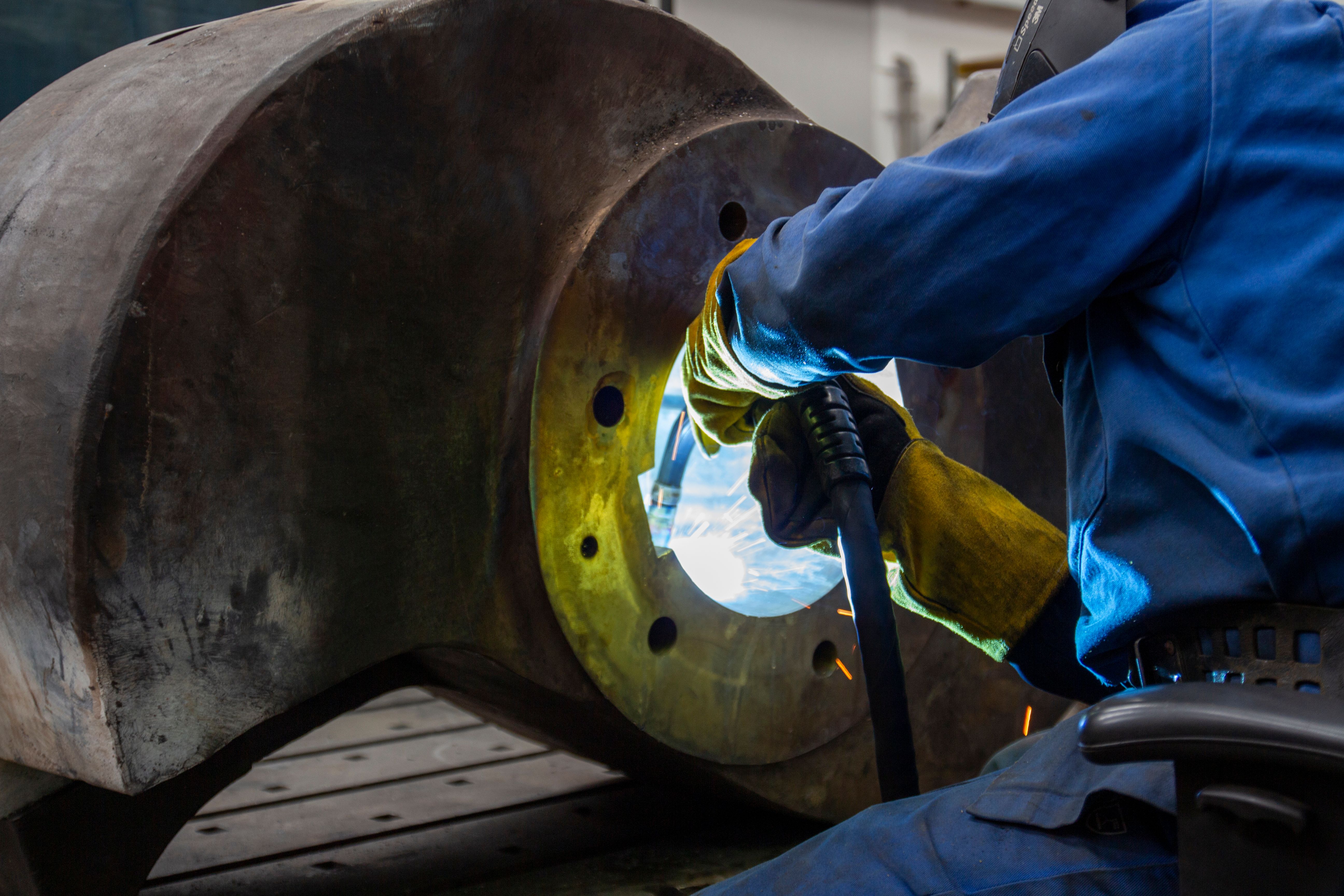
Pipe welding and fabrication on the shop floor.
The sequence is the process. The system either enforces it or it doesn't.

What good looks like

One picture: material, weld log, and package readiness

Real pipe tracking means the bill of materials, the weld log, and package status live in one connected view — not three screens and a printed pick list. You should be able to see, for any spool:

What's cut. What's fit. What's welded. What's cleared NDE. What's cleared hydro. Whether it's eligible to stage. Whether it's eligible to load.

Hold points aren't suggestions on a whiteboard. They're gates in the system. A package that hasn't cleared hydro doesn't show as ready for tomorrow's truck. A missing heat number doesn't get discovered when the field opens the crate — it gets blocked before the package leaves staging.

01

Cut & mark

Heat numbers travel with the piece from the first cut.

02

Fit & weld

Weld log tied to the package, not a separate spreadsheet.

03

NDE & hydro

Hold points enforced before status can advance.

04

Stage & load

Trucks built from what's actually complete and sequenced.

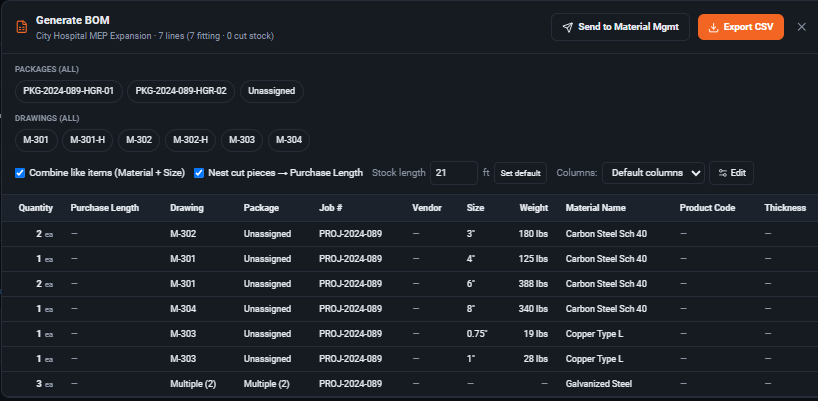
ArciFab bill of materials and pipe package view.
Package view: material, status, and readiness in one place — the picture a shop manager needs before a truck rolls.

Where the money walks out

Load from what's ready — not from memory

Every fab software pitch talks about production. Almost none talk about the yard at 5:30 a.m., where a load has to go out in the sequence the field will install it, using packages that are actually complete.

When loading runs on a printed pick list and a lead hand who "knows where everything is," trucks leave under capacity, out of sequence, or missing a fitting still sitting in receiving. That hits twice: shop labor and yard space on the way out, field labor waiting on the other end.

Fix the package picture, and the load sheet stops being a guess. The system only offers what's staged, complete, and cleared. The forklift stops hunting. The truck stops rolling light.

Fabricated pipe staged in the shop.
Staged means ready — not "we think it's over there."

Monday morning outcomes

What a pipe-built system actually changes

Hold points are gates, not reminders. A package can't advance past NDE or hydro until the record is there. The whiteboard becomes optional.

Heat numbers and weld logs stay with the work. Shop-to-field handoff carries the package history — not a packing slip and a hope.

Loads are built from truth. If it isn't complete and cleared, it doesn't appear as ready to ship. Incomplete packages stop leaving the yard by accident.

The floor stops adapting to the software. Routing, QC sequence, and package logic are configured around how your shop already runs — then enforced digitally.

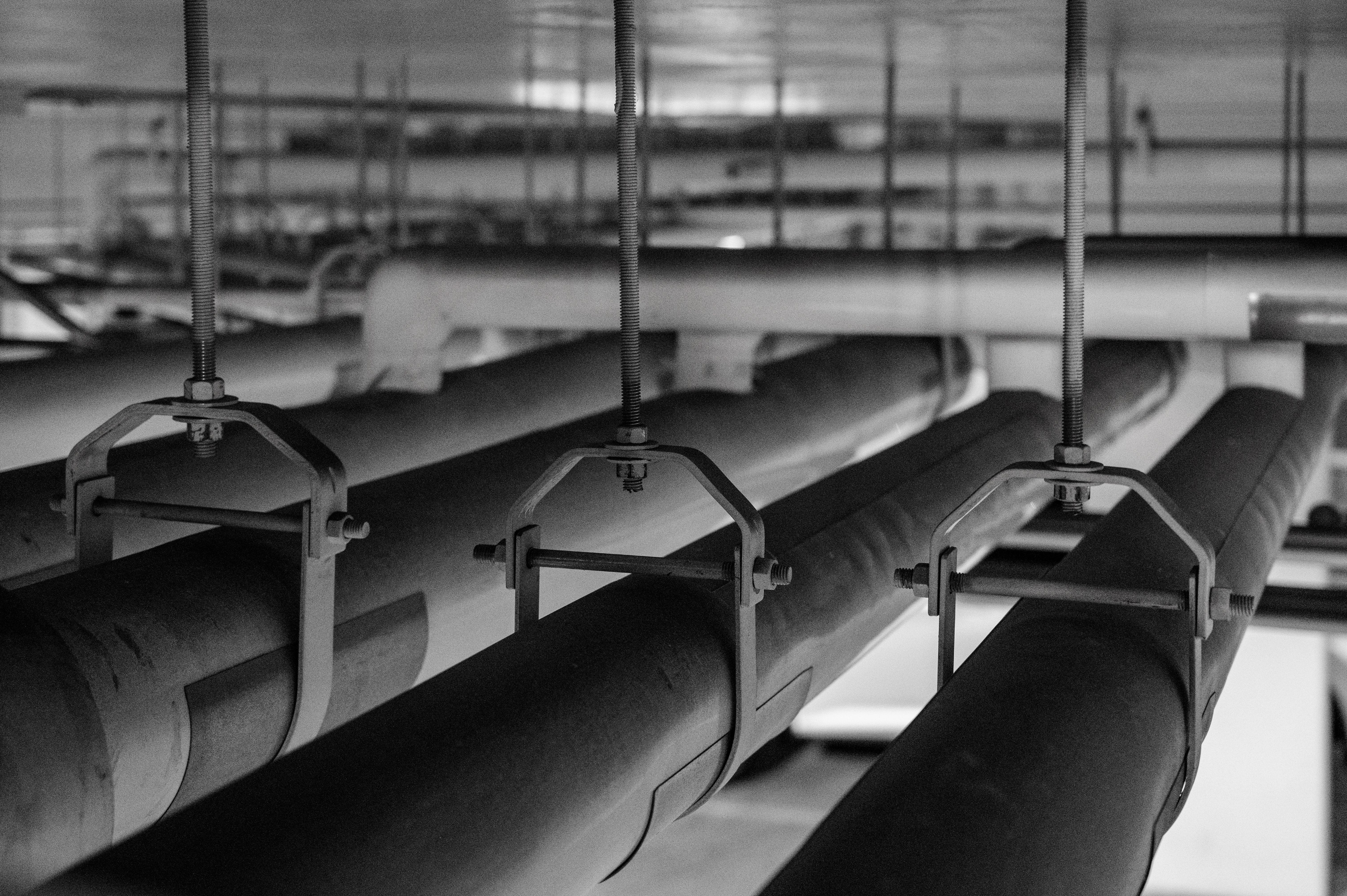
Pipe packages hung and staged for load-out.
When the system knows what's complete, the yard stops guessing.

Built for the process you already run

ArciFab doesn't ask pipe shops to become generic

ArciFab is a dedicated environment configured around your actual pipe workflow — BOM, weld tracking, hold points, package status, and shop-to-field handoff as one system. Not five status fields and a workaround binder.

You bring the real process. We build the system around it. The goal isn't another dashboard. It's fewer half-loaded trucks, fewer field waits, and a package that leaves the yard with everything the field needs already attached.


The next step is practical

Bring us a real package. We'll show you what fits.

Bring a spool package, a weld map, or the way you currently stage and load trucks. We'll show you what a system built around that process looks like — no generic demo, no theoretical workflow.

(Financing link redirects to a third-party website)